

Tuofa Addresses a Growing Rapid Prototyping Challenge: Designs Reaching Manufacturing Before Engineering Validation
Tuofa CNC Machining shop in China
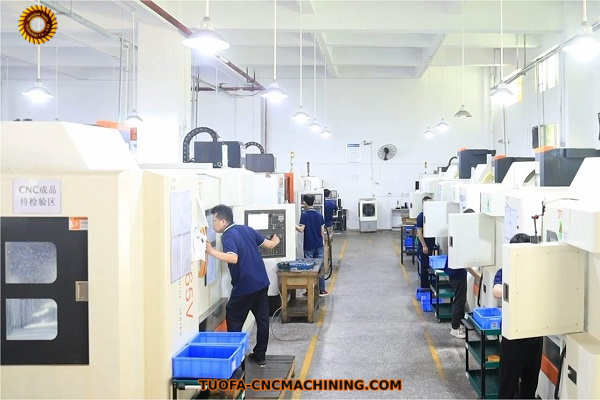
Tuofa CNC Machining shop details
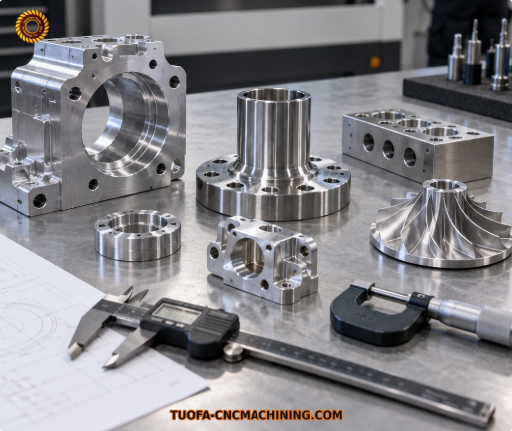
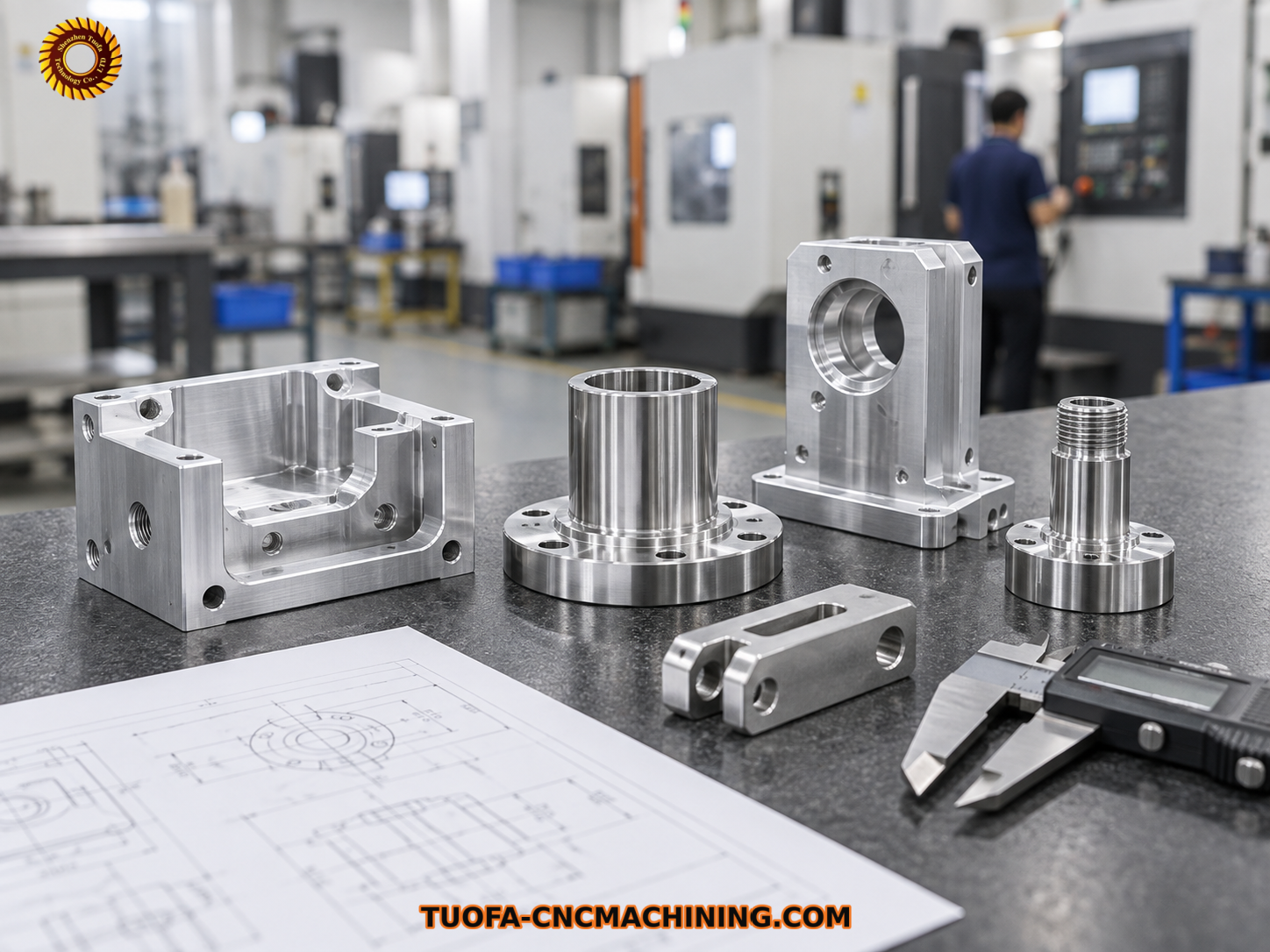
mechanical parts from Tuofa
Tuofa highlights how structured engineering review, DFM, and functional prototyping can reduce design risk before parts move toward production.
DETROIT, MI, UNITED STATES, September 5, 2026 /EINPresswire.com/ -- SHENZHEN, China - Tuofa CNC Machining is highlighting a growing challenge in rapid prototyping: digital designs can now reach manufacturers before every engineering question has been resolved. Faster design tools can shorten the path from concept to CAD, but a manufacturable file is not automatically a validated product design. Tuofa is responding by placing greater emphasis on engineering review before prototype production. Its rapid prototyping service uses drawing review, DFM, process planning, physical testing and revision feedback to help customers turn a digital model into a more useful engineering prototype.
From Digital Design to Manufacturing
Faster Concept Development
AI-assisted ideation, CAD automation and other digital tools are making it easier to explore product concepts and create geometry quickly. This can improve early development speed and give engineering teams more options to compare. It also means that geometry may be ready for quotation before details such as load conditions, mating relationships or final material requirements have been fully verified.
Unresolved Engineering Questions
A 3D model can describe shape, but manufacturing depends on more than shape. Useful CNC machining drawings still need to communicate dimensions, tolerances, materials, threads, finishes and other requirements that affect fit and function. When those details are unclear, the first manufacturing task is to identify which questions must be resolved before the prototype can produce meaningful test results. The same review principle applies whether a concept was created with conventional CAD, generative tools or an AI-assisted workflow.
Defining the Purpose of a Prototype
Functional Requirements
Tuofa's engineering review starts by clarifying what the prototype is intended to prove. A part for visual review has different requirements from a housing that must hold a bearing, a bracket that carries load or an assembly that must move without interference. Defining the test objective helps determine where precision, material fidelity and inspection effort are necessary.
Critical Features and Interfaces
The review also separates critical interfaces from general geometry. Bearing seats, sealing faces, locating holes, threaded connections, sliding surfaces and mating features often control whether the assembly works. Other dimensions may not need the same level of control. This distinction helps prevent unnecessary machining complexity while keeping attention on the features that affect performance.
Tuofa Reviews Manufacturing Risks Before Prototype Production
Design Feasibility
Before material is cut, Tuofa reviews the 2D and 3D files together with tolerance, wall thickness, hole and thread geometry, tool access, surface requirements and assembly relationships. Its CNC machining service then provides the manufacturing context needed to determine whether the proposed geometry can be produced reliably and inspected effectively.
Process and Material Selection
Process selection is tied to the validation goal rather than speed alone. Early form studies may be suited to additive manufacturing, while functional metal prototypes may require CNC machining to reproduce material properties, threads, fits and critical surfaces. Material choice can also change machining strategy, finishing allowance, deformation risk and inspection requirements.
DFM Helps Resolve Manufacturing Risks Before Production
From Manufacturing Constraints to Design Recommendations
Design for manufacturability turns production constraints into specific engineering feedback. Deep pockets may require different access. Thin walls may need support or revised geometry. Tight tolerances can change tooling, setup and inspection methods. Threads, internal corners and finishing allowances may also need adjustment. The purpose of DFM is to identify practical changes before those issues become machining delays, rework or unusable prototype results.
Balancing Manufacturability With Functional Requirements
DFM is most effective when the function of critical features is known. If a diameter is a bearing seat, engineers can discuss fit, tolerance, surface finish and inspection. If a face is a sealing interface, flatness and roughness become more meaningful. Manufacturing feedback can then improve the design without changing the functional intent that the prototype is supposed to validate.
Tuofa Uses Functional Prototypes to Test Design Assumptions
Production-Grade Materials and Features
For many mechanical products, CNC prototypes are useful because they can reproduce features close to production conditions. Custom CNC machined parts can include accurate holes, threads, mating faces, bearing locations and other functional details in engineering metals and plastics. This allows teams to evaluate more than appearance and gives physical evidence about assembly and dimensional behavior.
Geometry, Tolerances and Critical Interfaces
Material and geometry must also be considered together. For example, custom aluminum CNC parts may combine thin walls, deep pockets, mounting holes, threaded features and anodized surfaces. Each feature affects machining, workholding or inspection. Reviewing these relationships before production helps the prototype represent the intended design more faithfully.
Prototype Testing Provides Evidence for Design Revision
Dimensional Inspection
Inspection verifies whether the manufactured prototype matches the defined requirements. Critical dimensions, hole positions, threads, surface conditions and mating features can be checked against the drawing. This separates manufacturing variation from design problems and gives the engineering team a clearer basis for evaluating test results.
Fit and Functional Testing
Physical testing addresses questions that dimensional inspection cannot answer alone. Trial assembly can reveal interference, clearance or alignment issues. Functional testing can expose unexpected movement, deformation or interface behavior. A prototype is therefore not simply the end of a fast manufacturing cycle; it is a source of evidence for the next design decision.
Tuofa Connects Prototype Validation With the Next Manufacturing Stage
Design Revision Based on Test Results
The findings from inspection and testing should return to the CAD model and drawing. Critical dimensions can be refined, tolerances adjusted and manufacturing notes clarified. This creates a controlled revision loop instead of allowing assumptions from the first design to continue into later builds.
Preparing for Low-Volume Production
Once the key risks have been tested and the design is stable, the project can move toward another prototype, a pilot build or low-volume production. Tuofa supports this transition with CNC machining, inspection and manufacturing feedback. The objective is not simply to make prototypes faster. It is to help engineering teams use each prototype to make a better-informed manufacturing decision before the next stage.
Expert Team
Tuofa CNC Machining
+86 137 1398 0135
info@tuofa-cncmachining.com
Legal Disclaimer:
EIN Presswire provides this news content "as is" without warranty of any kind. We do not accept any responsibility or liability for the accuracy, content, images, videos, licenses, completeness, legality, or reliability of the information contained in this article. If you have any complaints or copyright issues related to this article, kindly contact the author above.
